
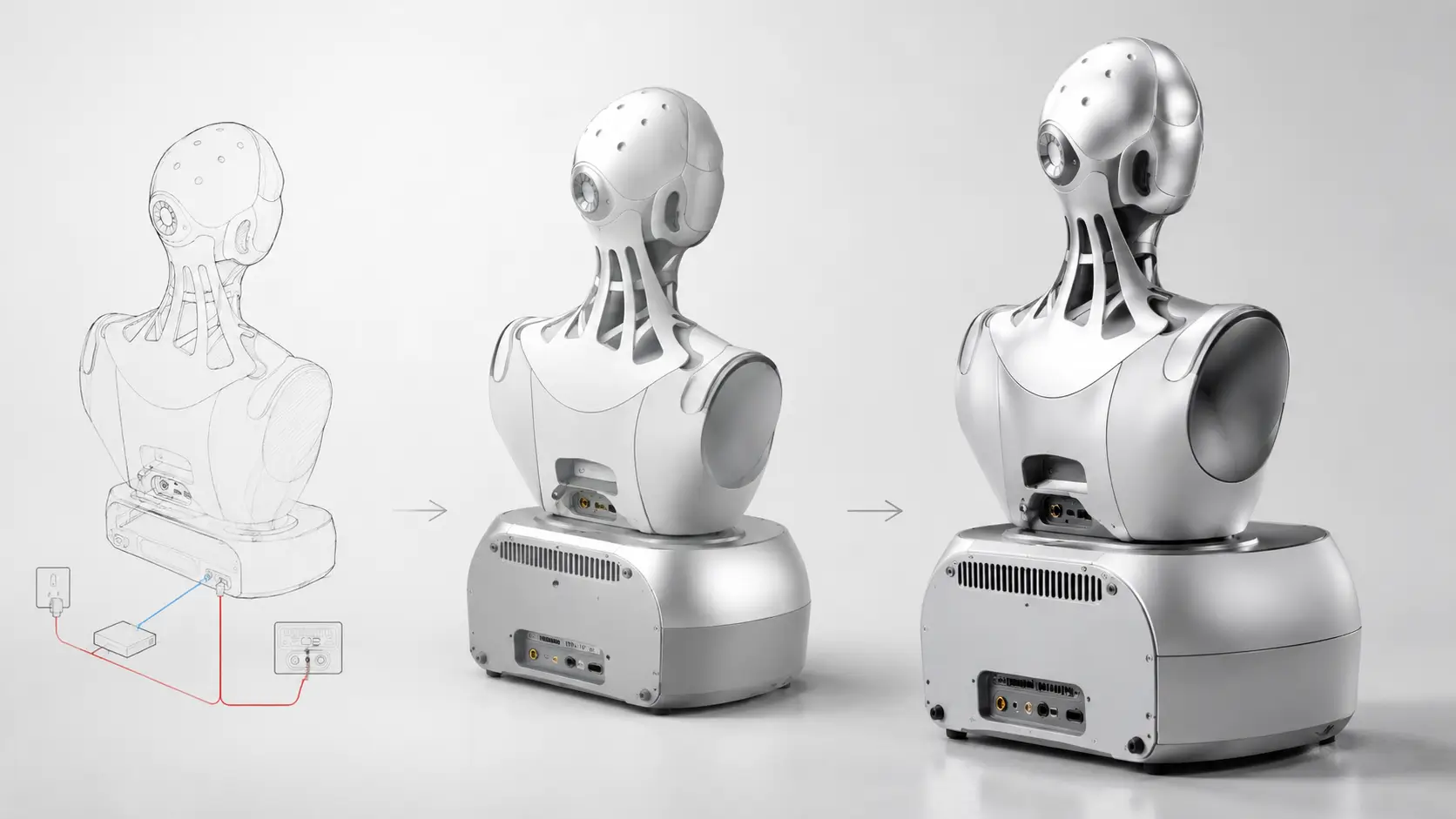
This guide covers where a CNC prototype fits in the product development process. It looks at what a prototype can and can’t validate, and how results should feed back into design changes. It also covers what to resolve, including which production process makes sense, before a design moves forward.
Where CNC Prototyping Fits in the Product Development Process
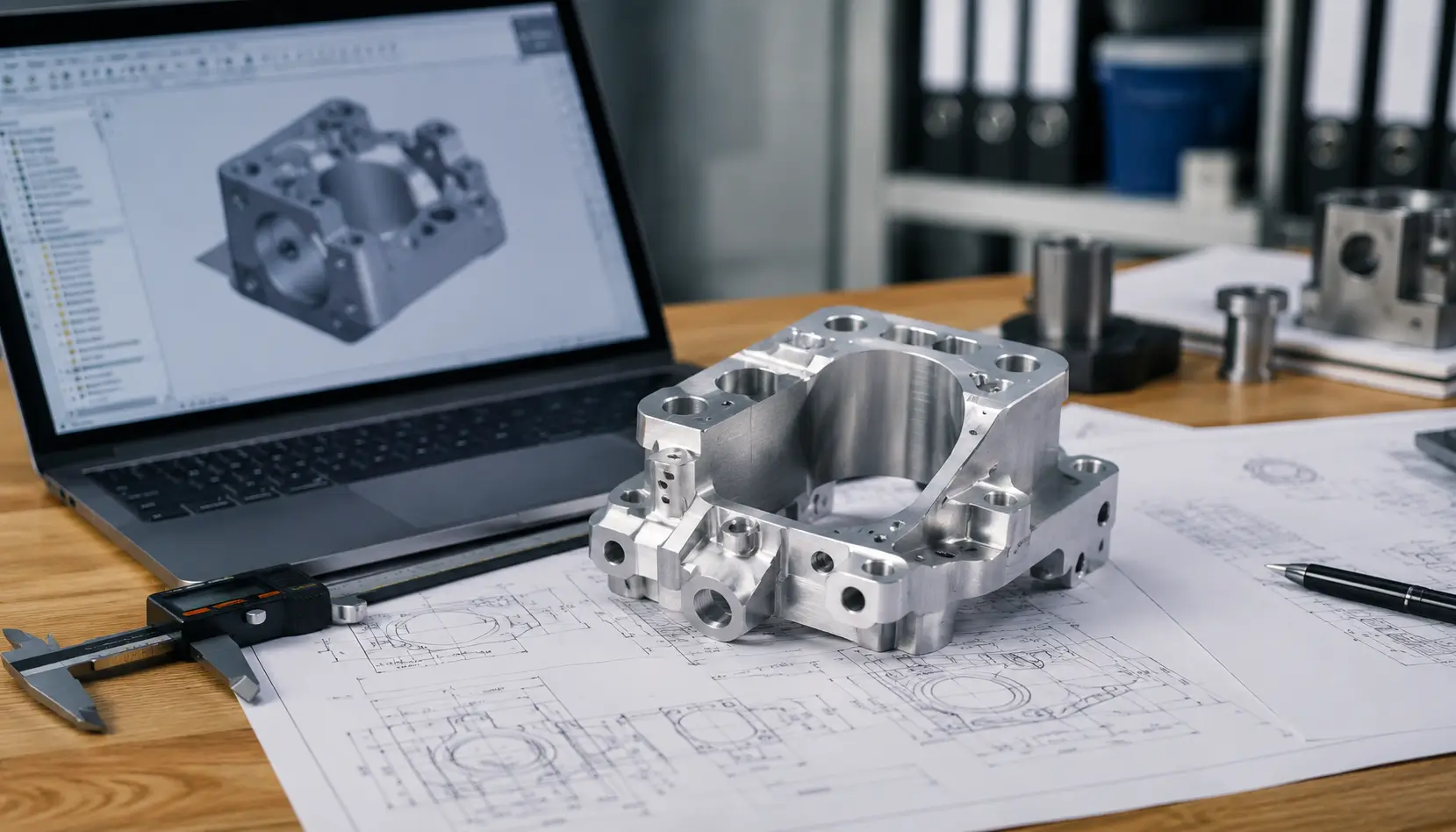
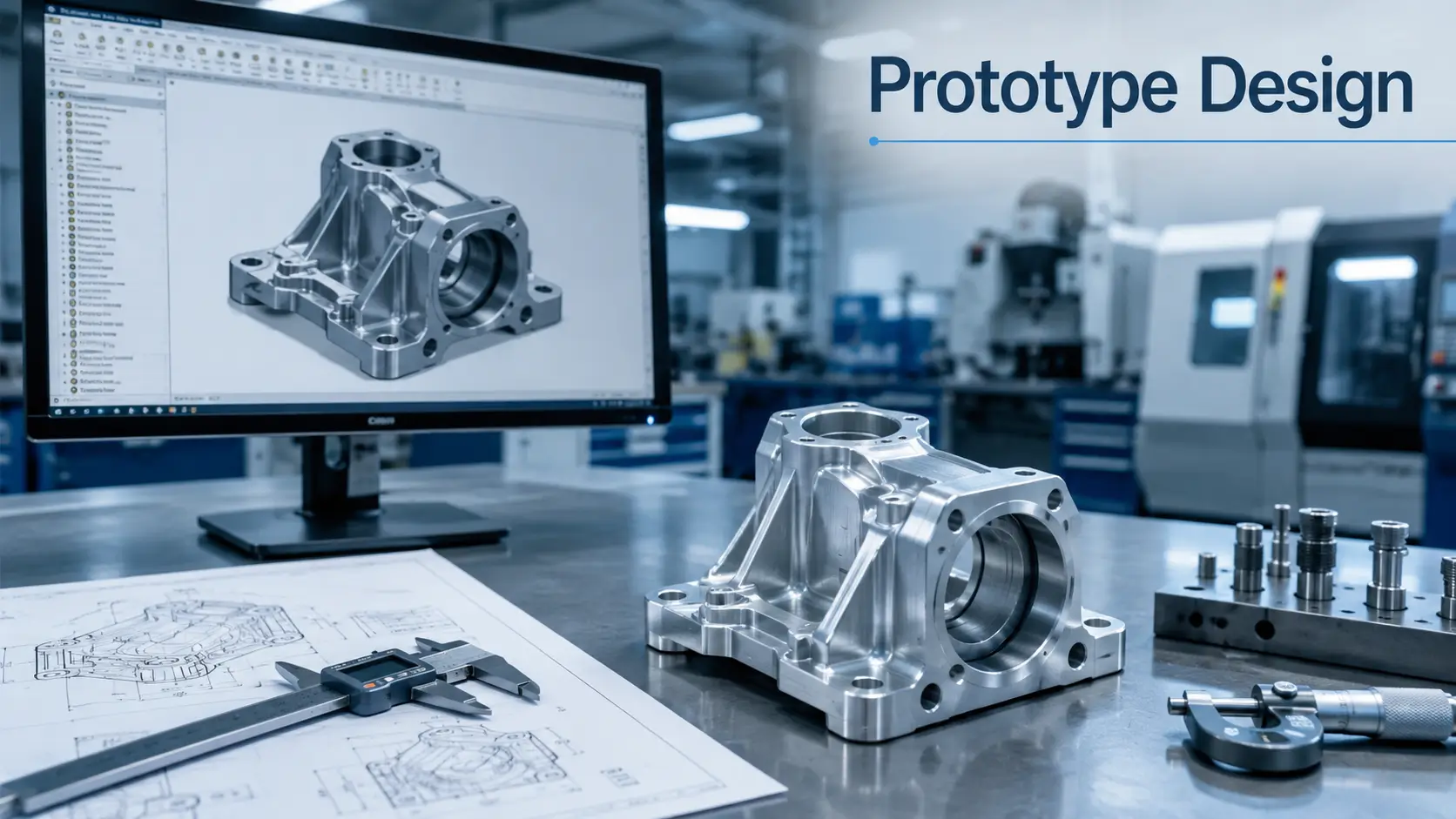
Product development moves through a rough sequence: concept, digital design, physical validation, iteration, and production. custom CNC prototyping sits at the physical validation stage for a specific reason. Simulation and CAD review catch a lot of problems, but only a real part, cut from a real material, can answer some questions. Does the assembly actually go together the way the model implies? Will a wall that looked fine on screen deflect under load? Can a feature that seemed straightforward hold its tolerance once someone actually cuts it?
CNC machining is one of several ways to build that physical prototype. It tends to be the right choice when the part needs to behave like the eventual production part, not just resemble it on a shelf.
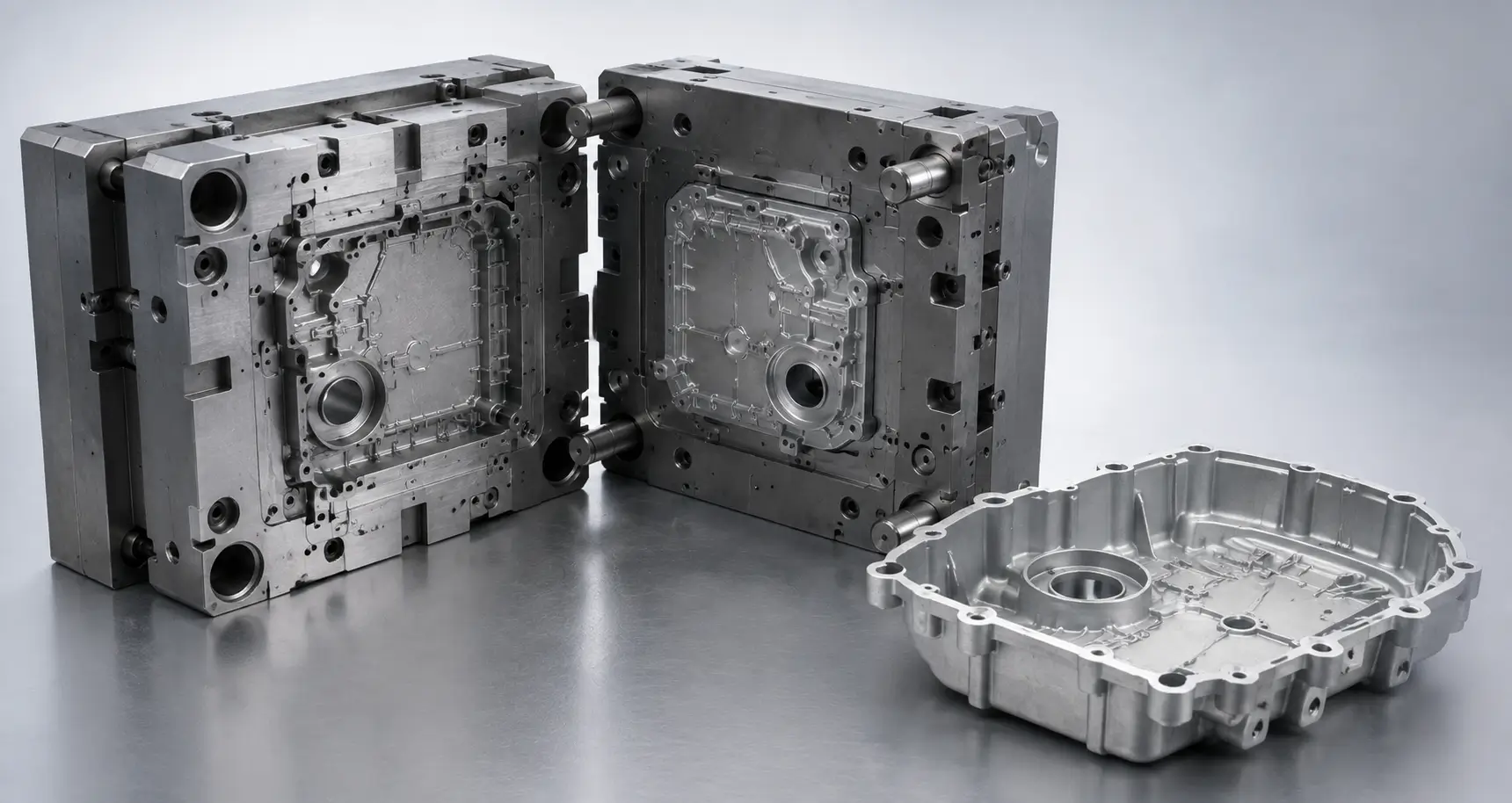
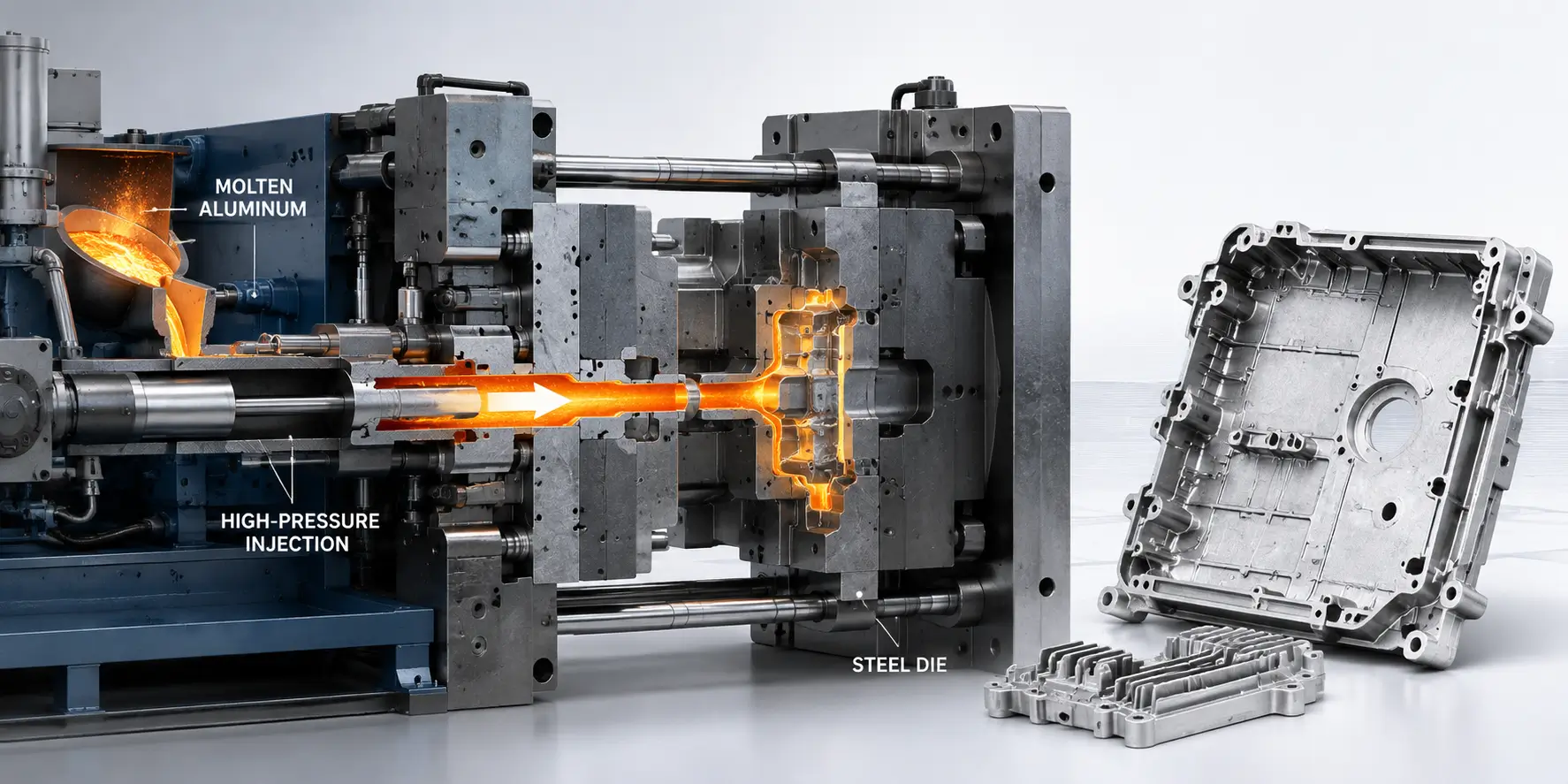
When production will also run on CNC machining, the prototype can use the same alloy and hold tolerances close to what the final part needs. When production is likely to shift to a different process later, such as die casting or sheet metal forming, the prototype still confirms geometry and function. Its material behavior and tolerance targets remain only a starting point until the team settles on that process.
Either way, a CNC prototype is more than a physical model of the design. It’s a working stand-in accurate enough to base engineering decisions on, though the eventual production process still sets the limits.
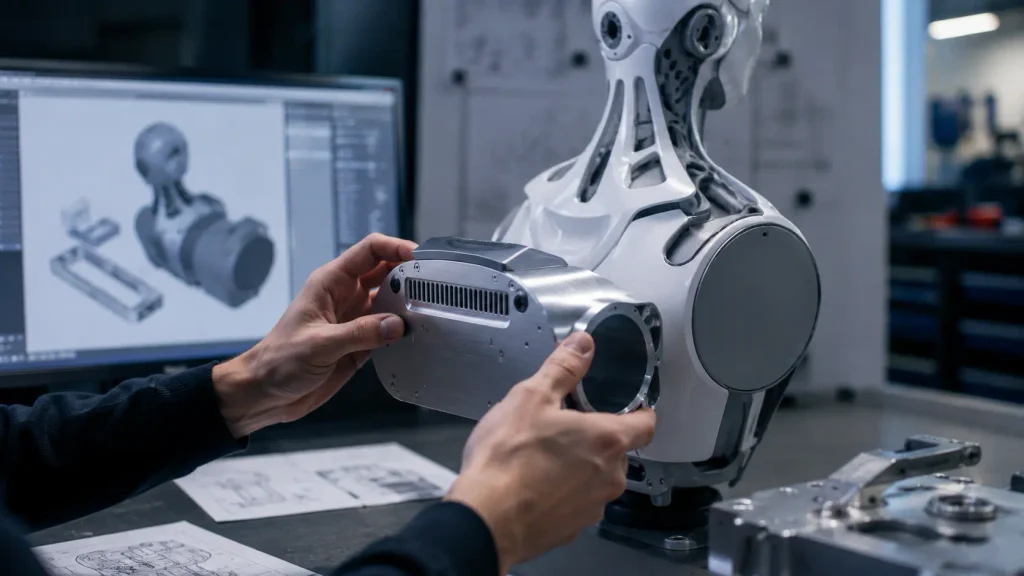
What a CNC Prototype Can Validate
Not every kind of validation belongs at this stage. Knowing what a CNC prototype can actually confirm keeps the exercise from turning into a vague checkbox.
Form, Fit, and Assembly Interfaces
A prototype shows whether a part’s envelope matches its neighbors. It also shows whether mating features actually engage the way the CAD model suggests. Tolerance stack-up tends to show up here in a way a drawing review often misses. Two features can each pass their individual tolerance check and still create interference, or excessive play, once the assembly brings them together. A physical prototype is often the first point where that problem becomes visible.
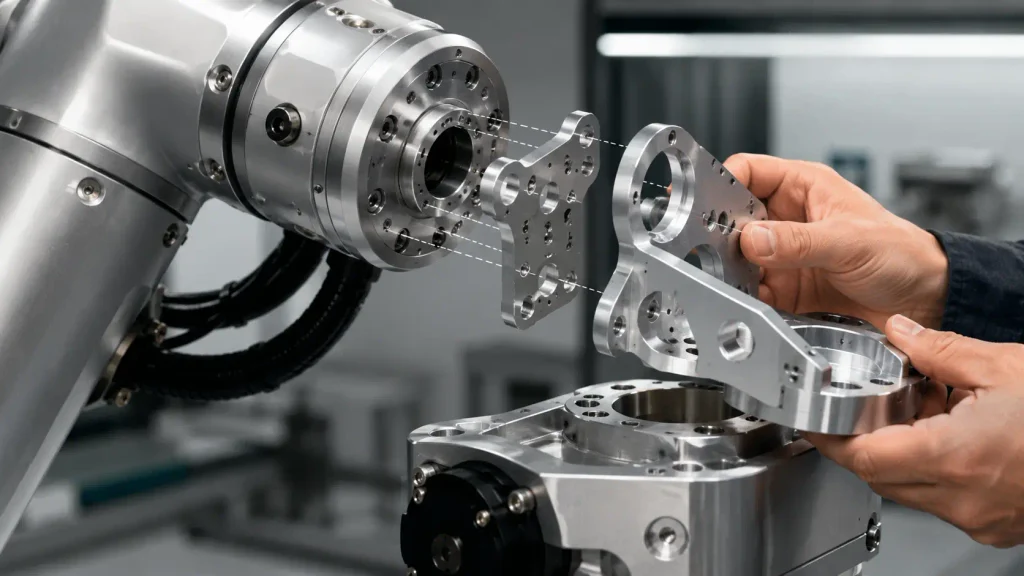
Functional and Material Behavior
A CNC prototype can use the same alloy the production part will eventually use, as long as that production part is also machined rather than cast or formed. Under that condition, engineers can test whether a snap feature flexes without cracking, a load-bearing rib holds up under stress, and a surface resists wear over repeated cycling. A stand-in material selection only shows how the stand-in behaves, not how the actual design will perform. If production is likely to move to a cast or formed alloy instead, this stage still confirms geometry and general behavior. The finer mechanical properties are worth re-checking once the team locks in that alloy.
Manufacturability and Machining Accessibility
Cutting the part is itself a form of validation. A deep pocket that looked reasonable in CAD might need a longer tool than the setup can hold rigid. In thin-wall CNC machining, a wall might chatter under cutting force, and a tight internal corner might force a smaller tool than the feature’s stress concentration can tolerate. These are manufacturability issues a screen-based design review frequently misses. They surface naturally once someone actually has to machine the geometry.
Turning Prototype Results Into Design Iteration
A prototype that reveals a problem hasn’t failed. It’s done its job. What separates a useful iteration from a wasted one is simple: does the team turn the result into a specific design change, or just note that something needs adjusting?
The most useful iterations trace a problem back to its actual cause. A fit issue traces back to a specific tolerance stack-up, a fracture to a stress concentration at a particular radius, and a machining difficulty to a specific pocket depth or CNC machining wall thickness. Once the cause is clear, only the parts of the design connected to it need to change, and only the validation tied to that change needs repeating. Re-testing the entire design after every iteration slows things down without adding much confidence, since most changes only touch a narrow slice of what the team already validated.
What to Resolve Before Moving From Prototype to Production
Moving from prototype to production is a decision point, not something that happens automatically once a prototype exists. A few things are worth confirming before that decision gets made.
Design and Tolerance Confirmation
By this point, the CNC prototyping design should hold steady between builds, not keep absorbing small changes. The tolerances on the drawing should reflect what the part actually needs, not placeholder values the team carried over from an early iteration. A tolerance nobody has revisited since the first prototype build deserves a second look before production tooling or a process plan locks it in.
Manufacturing and DFM Readiness
DFM issues that surface during prototyping, whether that’s a wall thickness, a draft angle, or a feature that was hard to hold in tolerance, belong in the design itself, not on a list of things production has to work around. When a feature the team flagged during prototyping shows up unchanged on the production drawing, that’s one of the more common reasons ZH Prototyping sends a design back to the customer before quoting. It usually means the design never actually addressed the issue.
Inspection and Documentation Requirements
Production usually needs a clear inspection plan and documentation package, things like a dimensional report, a material certificate, or a first article inspection, in a way a single prototype often doesn’t. Deciding what that plan looks like before production starts keeps the supplier from having to guess at what level of documentation the part actually requires.
Choosing a Production Process After CNC Prototyping
A validated CNC prototype doesn’t automatically mean production should run on CNC machining. What makes sense depends mainly on volume, part geometry, and how much tooling investment the cost can justify.
For low volumes, or parts that don’t repeat often enough to justify tooling, staying on CNC machining into production is usually the more practical option. It avoids upfront tooling cost entirely. As volume increases, processes like die casting, sheet metal fabrication, or extrusion can become more cost-effective, once the part count is high enough to spread that tooling cost across.
Each of those processes carries its own geometry constraints, ones a CNC-machined prototype never had to satisfy. Wall thickness rules, draft angle requirements, and achievable tolerances all differ by process. A design validated as a CNC prototype isn’t automatically ready to cast or stamp. It usually needs its own DFM pass for whichever process production will actually use.
Confirming that process before finalizing the design, rather than after, is what keeps that DFM pass from turning into a redesign. On the ZH Prototyping side, this is usually the point where a prototyping project and a die casting or sheet metal quote start talking to each other instead of running as two disconnected conversations.
How to Choose a CNC Prototyping Supplier
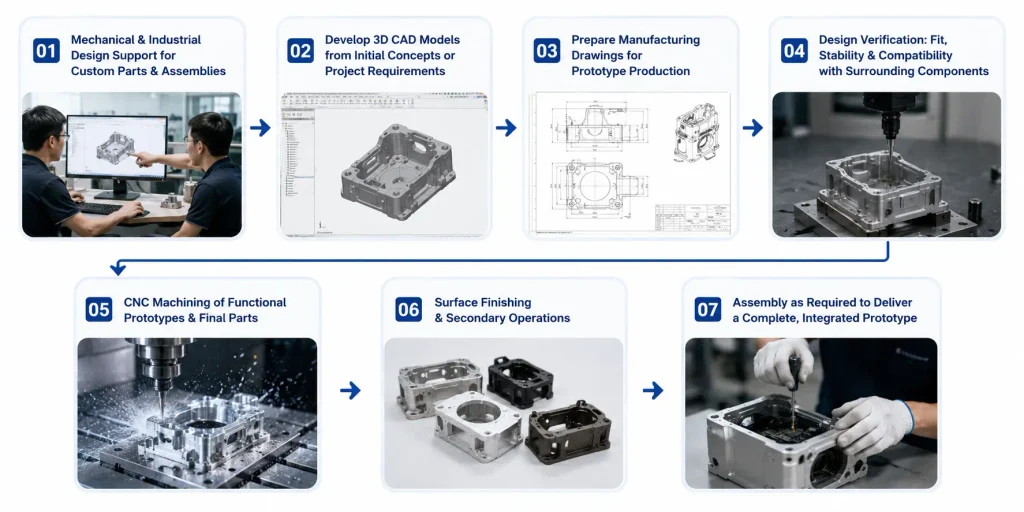
ZH Prototyping can support prototype development from the early concept stage through to a finished, testable part. Depending on the project, this can include translating initial requirements or design ideas into mechanical or industrial designs, developing 3D CAD models and manufacturing drawings, verifying fit and compatibility, manufacturing the prototype, and completing any required finishing or assembly.
Our prototype development support can include:
- Mechanical and industrial design support for custom parts and assemblies
- Development of 3D CAD models from initial concepts or project requirements
- Preparation of manufacturing drawings for prototype production
- Design verification for fit, stability, and compatibility with surrounding components
- CNC machining of functional prototypes and final parts
- Surface finishing and secondary operations
- Assembly where required to deliver a complete, integrated prototype
This gives customers a more direct path from an initial idea to a physical prototype that can be assembled, tested, and evaluated. If issues appear during fit checks, functional testing, or manufacturing, the design can be refined before the next prototype iteration or final production release.
FAQ
Not necessarily. A CNC prototype earns its place when the design carries real risk around fit, function, or manufacturability that simulation and review can’t fully resolve. A simple, low-risk part with a well-understood process may not need the same level of physical validation as a complex or safety-critical one.
There’s no fixed number. It depends on how much risk the design carries and how many issues each round of testing turns up. The count matters less than whether each iteration addresses a specific, resolved problem rather than open-ended tweaking.
No. A CNC prototype validates the design, not the production process. Depending on volume and cost targets, production might stay on CNC machining or move to a different process like die casting or sheet metal fabrication. That process may need its own DFM review before the team finalizes the design for it.