
Understanding how CNC machining costs are calculated helps engineers and purchasing teams make better decisions, optimize part designs, and reduce unnecessary manufacturing expenses while maintaining required performance and quality.
What Is the CNC Machining Process?
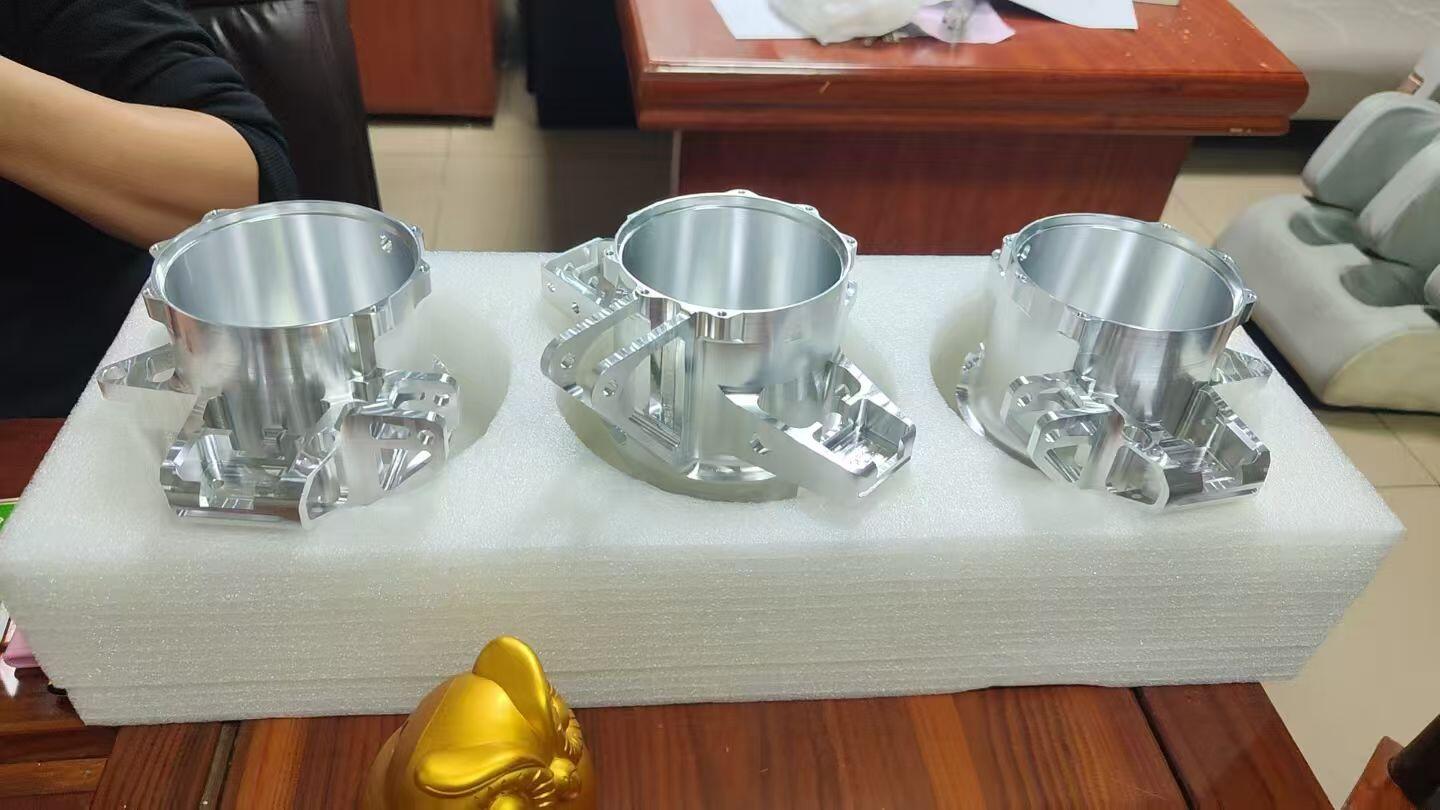
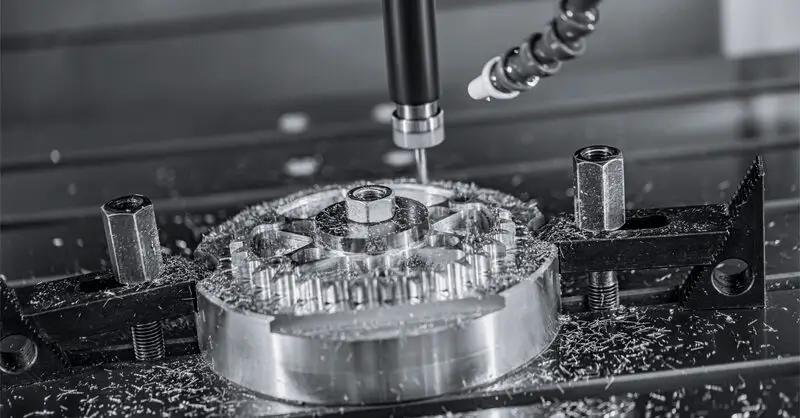
CNC machining is a subtractive manufacturing process that uses computer-controlled machines to remove material from metal stock and create precision components based on digital designs. It is commonly used for producing custom parts with complex geometries, tight tolerances, and consistent dimensional accuracy.
The CNC machining process typically involves design preparation, programming, machine setup, material removal, and inspection. Each stage affects the final machining cost, with factors such as part complexity, machining time, tooling requirements, and quality requirements directly influencing the quotation.
Machine Type and Equipment Cost
The type of CNC equipment required for a part directly affects machining cost. Different machines have different investment costs, operating rates, maintenance requirements, and production capabilities.
CNC Milling Machine Type and Equipment Cost
CNC milling equipment type is one of the key factors affecting machining costs. Different milling machines have different investment costs, operating rates, and machining capabilities. As machine complexity increases, the hourly rate typically increases due to higher equipment costs, maintenance requirements, and advanced control systems.
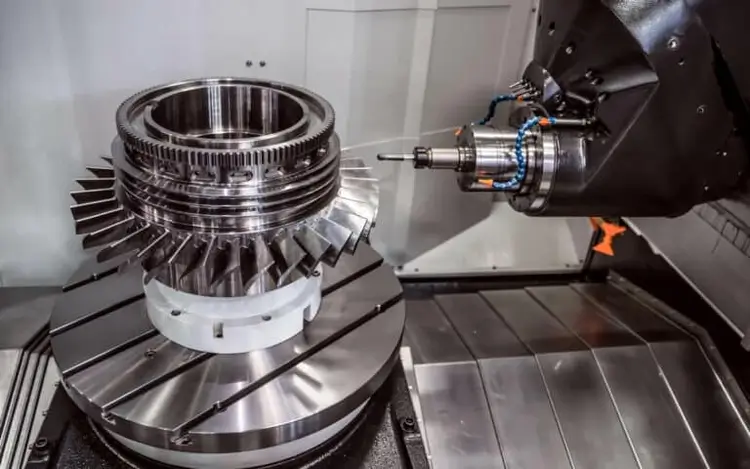
For standard parts with simple geometries, 3-axis CNC milling provides the most economical solution. However, for complex components requiring multi-side machining, 4-axis and 5-axis systems can reduce setup operations and improve overall production efficiency, which may lower the total machining cost despite higher hourly rates.
| Machine Type | Average Hourly Rate (USD) | Complexity Level | Typical Applications |
| 3-Axis CNC Milling | $35–$60/hr | Low–Medium | Simple enclosures, plates, brackets |
| 4-Axis CNC Milling | $60–$90/hr | Medium–High | Complex engine mounts, manifolds, multi-side components |
| 5-Axis CNC Milling | $100–$150/hr | Ultra High | Aerospace impellers, medical implants, complex precision parts |
CNC Turning Machine Type and Equipment Cost
CNC turning costs are closely related to the type of lathe used and its production capability. Standard CNC lathes are suitable for common cylindrical parts such as shafts, pins, and bushings, with typical machining rates around $30–$55/hour.
For more complex turned parts, advanced CNC turning centers equipped with sub-spindles or live tooling require higher operating costs, typically ranging from $50–$120/hour. These machines involve higher equipment investment, maintenance costs, and advanced programming requirements.
Although advanced turning equipment has a higher hourly rate, it can reduce overall part costs by minimizing manual handling, reducing secondary operations, and improving machining efficiency for complex cylindrical components.
5-Axis CNC Machining Cost
5-axis CNC machining has a higher operating cost compared with standard 3-axis machining because of the advanced equipment investment, complex programming requirements, and higher maintenance costs. The hourly rate for 5-axis machining is typically $100–$150/hour or higher depending on the machine capability and part requirements.
The higher machining rate can be justified for complex components that require multiple machining angles, tight tolerances, or difficult-to-access features. By completing multiple surfaces in a single setup, 5-axis machining can reduce repositioning time, minimize setup operations, and improve overall production efficiency.
For aerospace, medical, and other precision industries, 5-axis machining is often selected for parts with complex geometries and strict dimensional requirements, where reducing setups and maintaining accuracy are more important than the machine hourly rate.
Material Selection and Material Cost
Material selection has a direct impact on CNC machining cost. The total material cost depends on the raw material price, stock size, material availability, and machining efficiency.
CNC machining suppliers usually calculate material costs based on the required stock size rather than the final part weight. A larger starting block or bar stock means more material waste, which increases the overall manufacturing cost.
Common CNC machining materials and approximate raw material costs include:
| Material | Typical Material Cost | Common Applications |
| Aluminum 6061 | $4–8/kg | Housings, brackets, structural parts |
| Stainless Steel 304 | $5–12/kg | Corrosion-resistant components |
| Brass | $8–15/kg | Electrical components, fittings |
| Titanium | $30–60/kg | Aerospace and medical components |
| Inconel | $50–100+/kg | High-temperature and extreme environment parts |
Materials with higher raw material costs also tend to increase machining costs due to slower cutting speeds, greater tool wear, and more demanding machining requirements. For cost optimization, engineers should select materials based on functional requirements rather than choosing higher-cost materials without a clear performance need.
Setup, Programming and Fixture Cost
CNC machining involves several preparation costs before production begins, including CAM programming, machine setup, tool selection, and fixture preparation. These costs are usually fixed regardless of order quantity, which means they have a greater impact on prototypes and small-batch production.
Programming and setup costs typically range from $100–$500 per project, while custom fixtures may add additional costs depending on part complexity and production requirements. For a single prototype, these preparation costs are fully allocated to one part, but they are distributed across multiple parts in larger production runs.
Machine Hourly Rates and Operating Costs
The CNC machine hourly rate reflects more than just the time a machine spends cutting material. It includes equipment depreciation, electricity consumption, routine maintenance, tooling costs, calibration, and other manufacturing overheads required to operate the machine.
Advanced CNC equipment typically has higher hourly rates because of the higher investment and operating requirements. For example, 5-axis machining centers require more complex control systems, specialized tooling, and regular calibration to maintain accuracy, which can increase operating rates to around $100–$150/hour or higher.
Understanding what is included in the machine hourly rate helps engineers and purchasing teams better evaluate CNC machining quotations, especially for precision components where advanced equipment and process control are required.
Labor, Inspection and Quality Control Costs
Tolerance requirements directly influence CNC machining cost, as tighter dimensional accuracy demands stricter process control, slower cutting parameters, and more rigorous inspection procedures.
Skilled labor and quality control requirements are important components of CNC machining costs. The quotation includes not only machine operation but also engineering support, operator expertise, inspection procedures, and quality management activities required to ensure part accuracy.
Precision components may require additional inspection using equipment such as CMM (Coordinate Measuring Machine), optical inspection systems, and other measurement tools. These processes add cost but are essential for verifying critical dimensions, tight tolerances, and drawing requirements.
For parts with strict quality requirements, manufacturers may also need to maintain certified quality systems, additional documentation, and more detailed inspection procedures, which increase overall manufacturing costs.
Production Quantity Influences CNC Machining Cost
Production volume directly affects CNC unit pricing, as setup work, programming and process preparation are fixed costs that amortize across all manufactured parts. The more parts produced in one batch, the lower the overhead allocated to each component.
1.Prototype quantity. One-off samples and prototype runs bear the full cost of programming, fixturing and machine setup. Since no process optimization is available for single-piece production, prototype machining always carries the highest unit cost for design verification and functional testing.
2.Small-batch production. Low-volume orders cannot fully dilute fixed setup expenses. Manufacturers typically use standard machining parameters without custom process tuning, resulting in moderately higher unit costs while maintaining reliable quality and flexible delivery.
3.Mass production. Large batch sizes significantly reduce per-unit overhead by spreading fixed preparation costs across high output volumes. Manufacturers can optimize tool paths, stabilize cutting parameters and improve cycle efficiency to achieve the lowest unit machining cost.
Technical Factors Affecting CNC Machining Cost
Material Machinability and Its Impact on Cost
Material machinability has a direct impact on CNC machining time, tooling consumption, and overall production cost. Materials with better machinability allow higher cutting speeds and feed rates, reducing cycle time and improving machining efficiency.
For example, free-machining materials such as Brass C360 can be processed much faster than difficult-to-machine materials like 304 stainless steel. Harder or tougher materials often require slower cutting speeds, more frequent tool changes, and additional machining time, which increases labor and tooling costs.
When selecting materials, engineers should consider both performance requirements and machining characteristics. Choosing a material with suitable machinability can help reduce production time and avoid unnecessary manufacturing costs.
Part Geometry and Machining Complexity
Part geometry has a significant impact on CNC machining cost. Complex features often require additional setups, specialized tooling, slower cutting speeds, and longer machining cycles, which directly increase production time.
Features such as deep internal pockets, thin walls, small internal corners, and difficult-to-access areas can make machining more challenging. For example, deep pockets with high depth-to-width ratios may require long-reach tools, which reduce cutting efficiency and increase the risk of tool deflection.
Designing parts with standard tool access, suitable internal radii, and simplified features can improve machining efficiency and reduce unnecessary costs. A design optimized for manufacturability helps minimize machining time while maintaining the required functional requirements.
Tolerance Requirements and Precision Costs
Tolerance requirements have a direct impact on CNC machining costs. Tighter tolerances require more precise machining processes, additional finishing passes, stricter process control, and more detailed inspection procedures.
For example, achieving ±0.01 mm tolerances often requires slower cutting speeds, more careful tool management, and advanced measurement equipment such as CMM inspection. Applying tight tolerances across an entire part can significantly increase machining time and quality control requirements.
To control costs, engineers should specify tight tolerances only for critical functional areas such as mating surfaces, alignment features, or sealing interfaces. Using standard tolerances for non-critical dimensions can reduce unnecessary machining and inspection costs while maintaining part performance.
How to Reduce CNC Machining Costs
Use DFM Analysis Before Machining
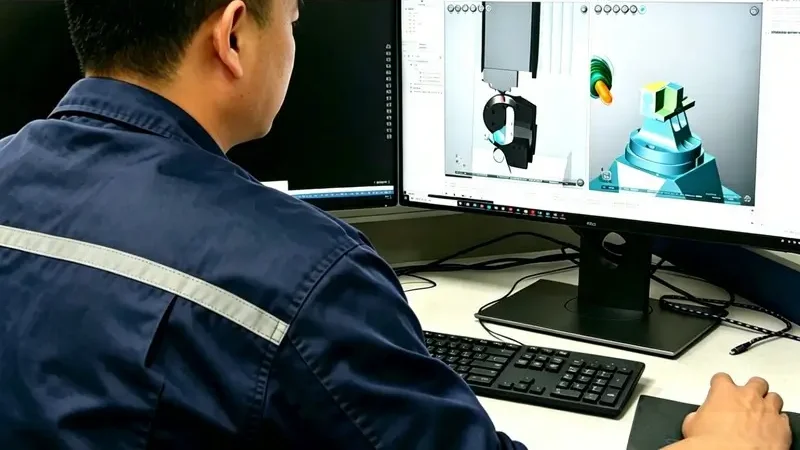
Design for Manufacturing (DFM) analysis helps identify potential machining issues before production begins. Reviewing CAD models and technical drawings early can reveal cost-increasing features such as deep internal corners, difficult tool access, thin walls, and unnecessary tight tolerances.
Early DFM feedback allows engineers to optimize part geometry, select suitable machining strategies, and avoid costly redesigns or production delays. A manufacturable design reduces machining time, tooling requirements, and overall production costs.
Design for Standard Tooling
Using standard drill and end mill sizes during part design can help reduce CNC machining costs by avoiding custom tooling requirements. Standard tools are widely available, easier to replace, and typically allow manufacturers to maintain more efficient machining processes.
Features designed around common tool sizes can reduce tool changes, improve cutting efficiency, and shorten machining cycles. For example, selecting suitable internal radii that match standard end mills can avoid additional tooling requirements and reduce unnecessary machining time.
Considering standard tooling during the design stage helps improve manufacturability, reduce lead times, and achieve more predictable machining costs.
Batch Scaling: Reducing Unit Cost Through Volume
Increasing production volume can significantly reduce CNC machining cost per part. Fixed costs such as CAM programming, machine setup, and tooling preparation are distributed across a larger number of parts, reducing their impact on the final unit price.
Moving from a single prototype to a small production batch can substantially improve cost efficiency, as the same preparation work is shared across multiple components. For this reason, even a moderate increase in order quantity can help lower overall manufacturing costs.
Choose the Right Manufacturing Partner
Supplier selection greatly influences total CNC machining expenses. Working directly with a qualified manufacturer minimizes unnecessary communication layers, simplifies engineering alignment, and grants full oversight of every production procedure.
A trustworthy manufacturing partner delivers transparent cost breakdowns, prompt technical support, and consistent quality control throughout mass production and prototyping. Long-term collaboration further refines production workflows and eliminates redundant manufacturing costs.
Trading Company vs. Direct Factory: Impact on CNC Machining Cost
Sourcing channels are one of the biggest variables in final CNC part pricing. Most trading companies function only as third-party intermediaries without in-house production capacity. They outsource machining projects to external workshops and add hidden markups of 20% to 40% to factory base prices to cover operational and marketing costs.
Sourcing channels are one of the biggest variables in final CNC part pricing. Most trading companies function only as third-party intermediaries without in-house production capacity. They outsource machining projects to external workshops and add hidden markups of 20% to 40% to factory base prices to cover operational and marketing costs.
Core Cost Advantages of Factory-Direct CNC Manufacturing
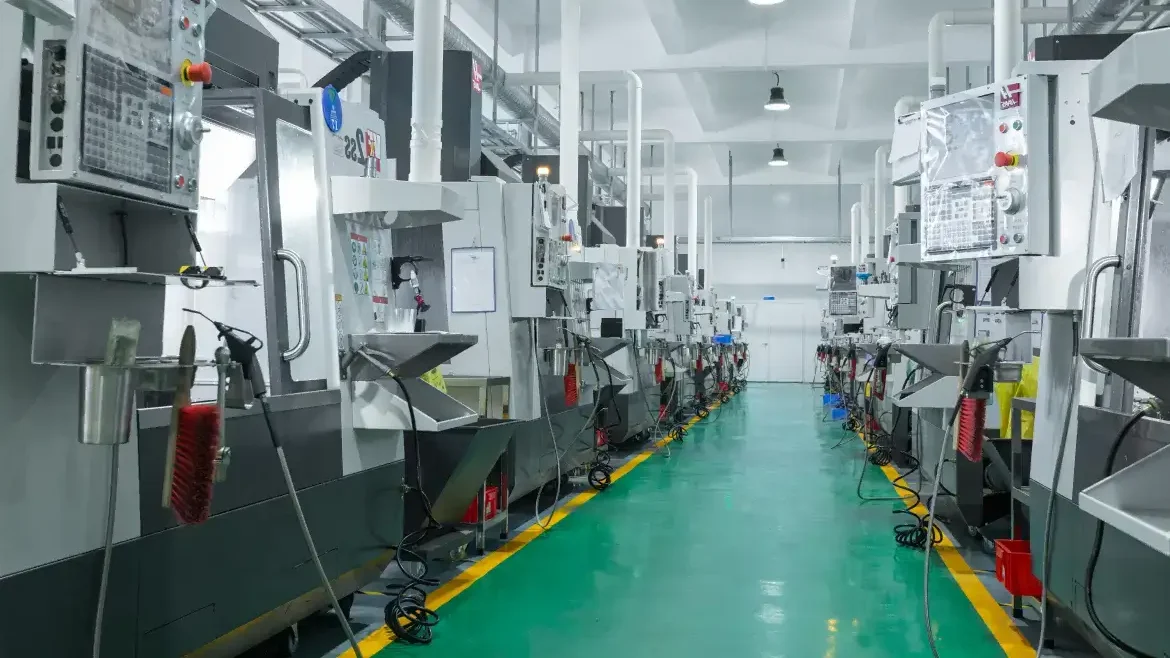
Partnering directly with professional CNC manufacturers eliminates industry middleman markups and inefficient cross-channel communication that inflates typical CNC machining costs. As a full-scale production enterprise, ZH Precision operates a self-owned 10,000㎡ production facility with more than 50 high-precision machines, enabling full in-house production, strict quality management and independent process control.
Our vertically integrated manufacturing structure cuts out all third-party profit layers. With optimized internal workflows and fully transparent factory pricing, we consistently deliver up to 30% verified cost savings for custom CNC machining projects without compromising part quality.
Conclusion
CNC machining costs are influenced by many factors, including equipment selection, material choice, part complexity, tolerances, production volume, and additional manufacturing requirements. Understanding these cost drivers allows engineers and purchasing teams to make better decisions during design and sourcing.
Reducing costs does not always mean choosing the lowest quotation. Optimizing part design, selecting suitable materials, reducing unnecessary setups, and cooperating with an experienced manufacturing partner can improve efficiency while maintaining the required quality and performance.