
Custom Aluminum Die Casting Services

ZH Precision provides custom aluminum die casting services, from DFM and tooling design to die casting, CNC machining, and finishing. With experienced engineers and quality control, we deliver reliable aluminum parts.

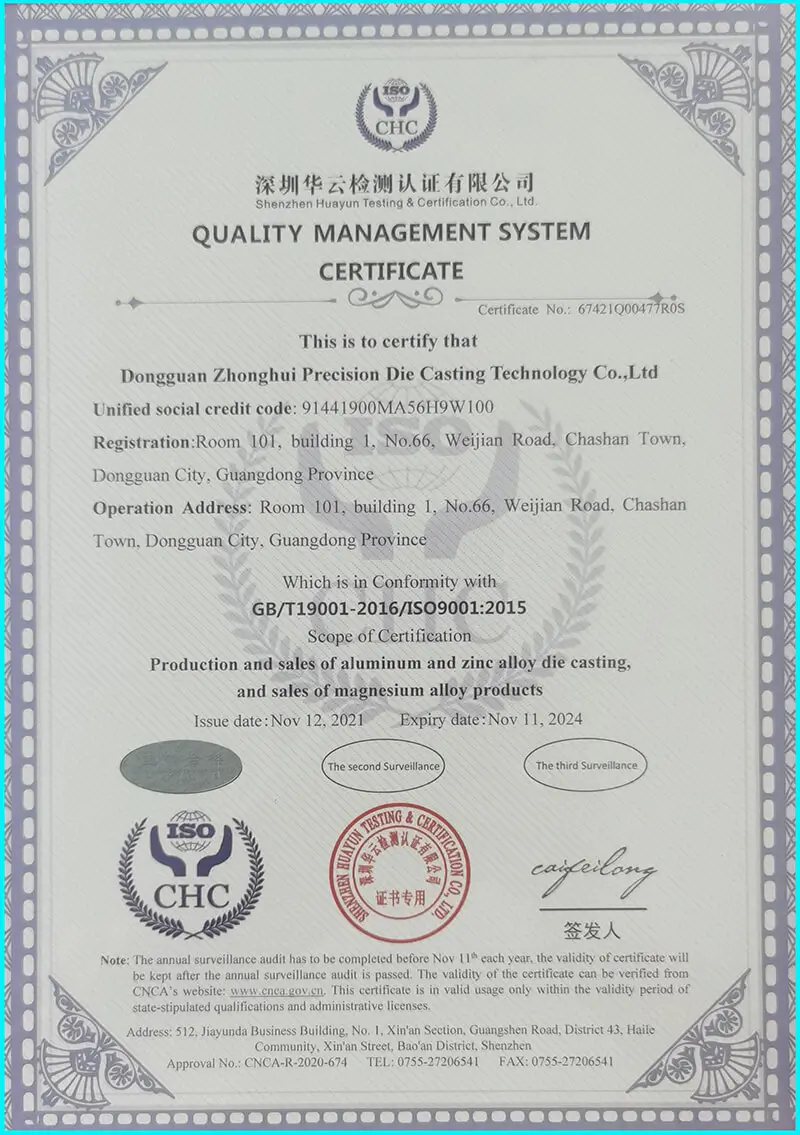
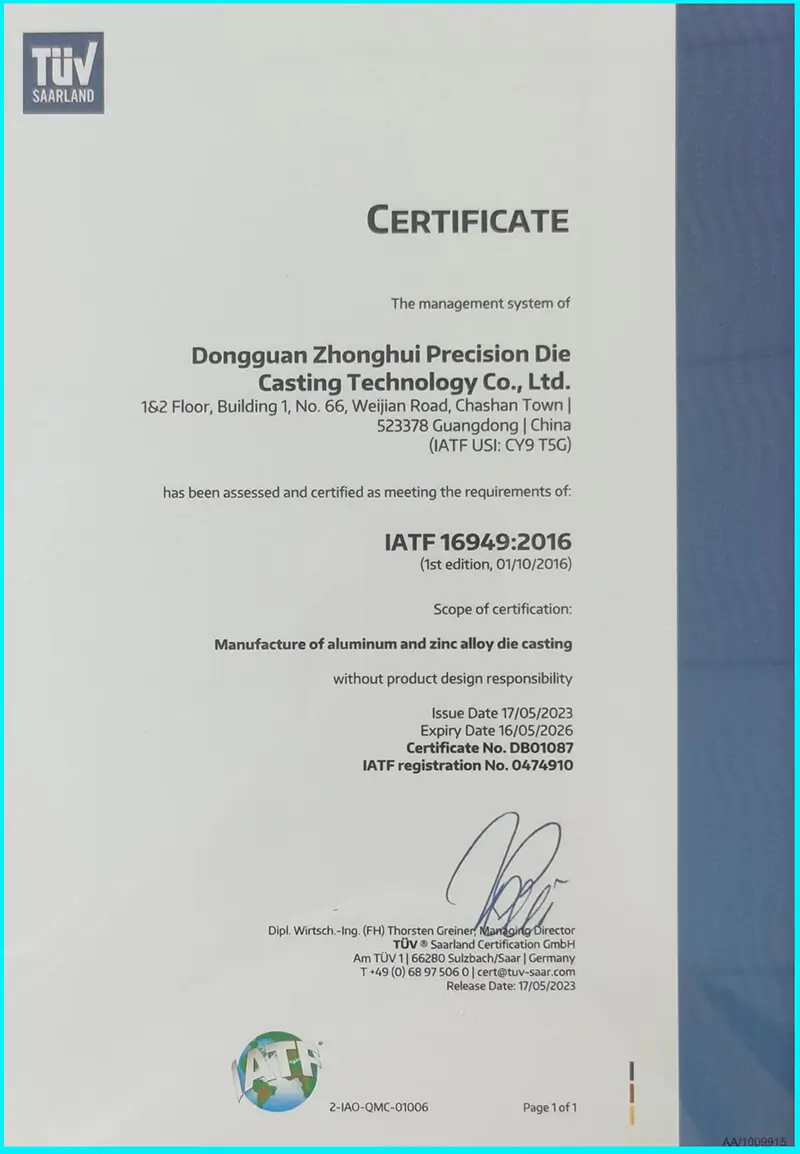
Quality Certifications
ISO 9001:2015 | IATF 16949:2016

LED and Lighting Housings

Get a Free DFM Assessment

STP I SLDPRT I IPT I PRT I SAT FLES
All uploaded content is secure and confidential.

Trusted by companies like

Aluminum Die Casting with ZH Precision

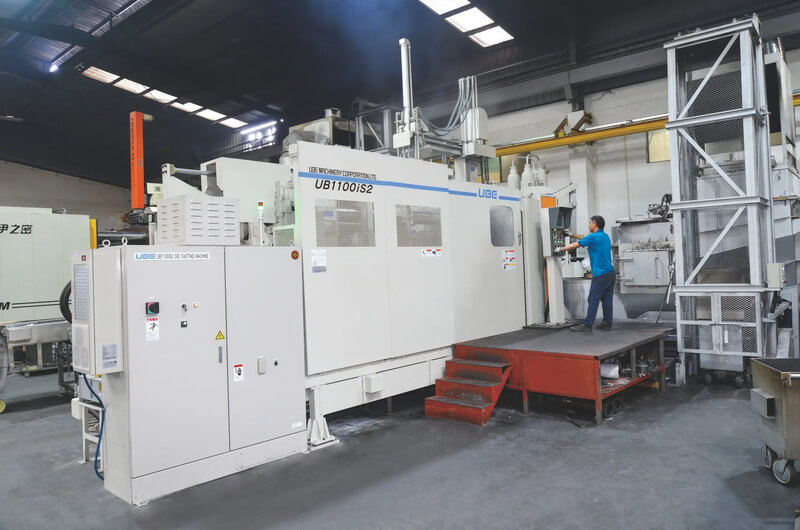
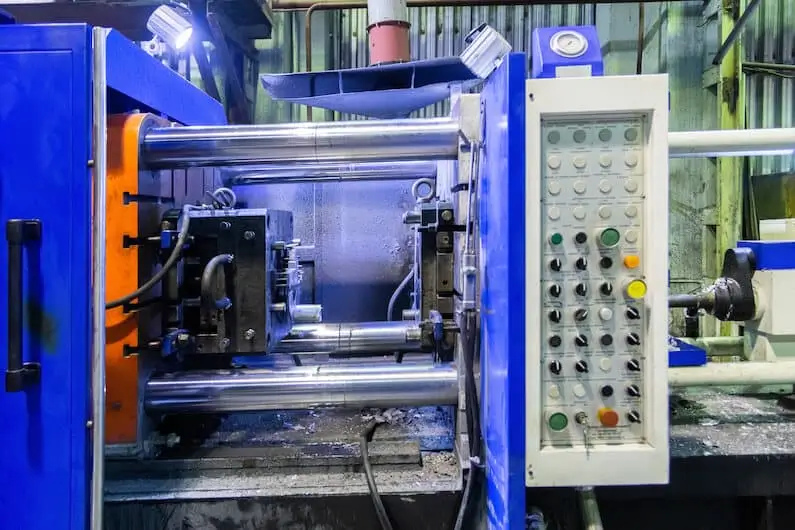
With 15 years of aluminum high-pressure die casting experience, ZH Precision provides OEM solutions for complex aluminum castings. Our die casting workshop is equipped with 250T to 3000T machines, supporting precision components and large structural castings with annual capacity up to 500,000 units.

Our capabilities cover aluminum die casting components including equipment housings, structural brackets, heat sinks, hydraulic parts, thin-wall components, automotive parts, electronic enclosures, communication hardware, and pump and valve components. These castings deliver lightweight structures, complex geometries, reliable strength, and consistent dimensional performance.

Our Aluminum Die-Casting Process

Our aluminum die casting capabilities cover the complete manufacturing process, including mold development, high-pressure die casting, CNC secondary machining, and surface finishing. By integrating casting and secondary processes, ZH Precision provides finished aluminum components that meet specific application and assembly requirements.

Engineering Team

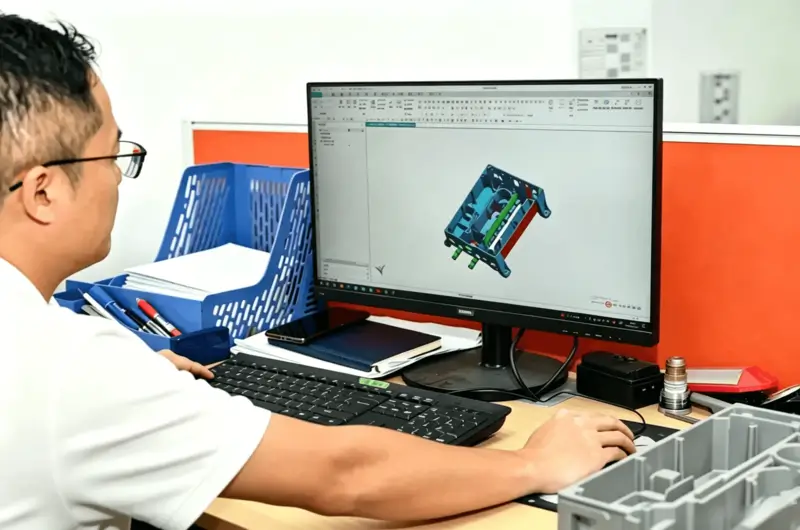
DFM Analysis

Part designs are reviewed for geometry, wall thickness, material selection, and manufacturability to optimize casting quality and production efficiency.
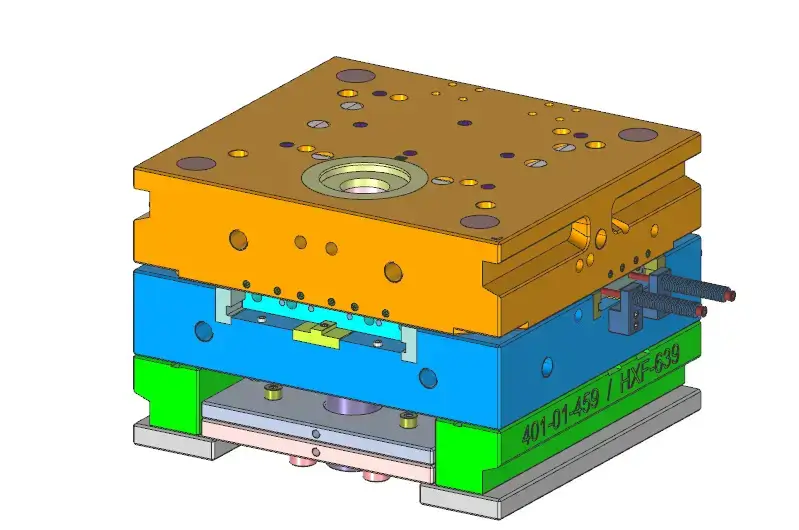
Mold Design & Manufacturing-webp

Mold Design & Manufacturing

Custom molds are developed according to part requirements to ensure stable tooling performance and consistent die casting production.
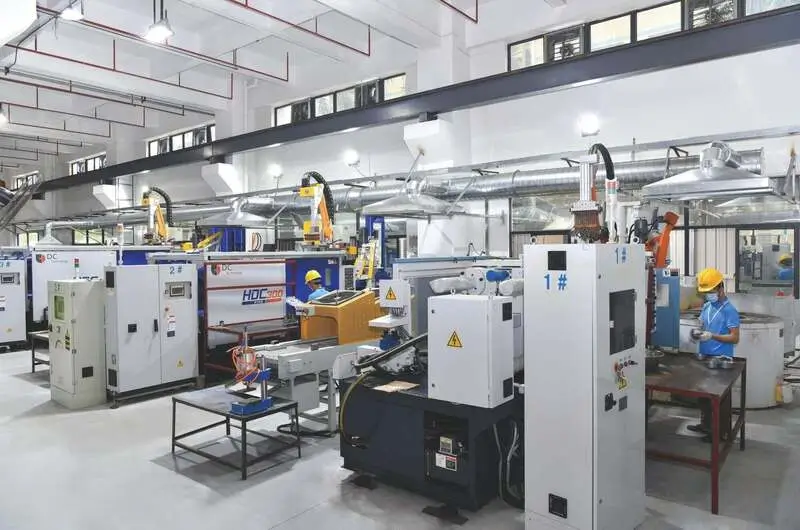
Die Casting Line-Image

Die Casting Parts Production

Aluminum alloys are cast under controlled processes to produce complex components with stable dimensions and reliable mechanical performance.
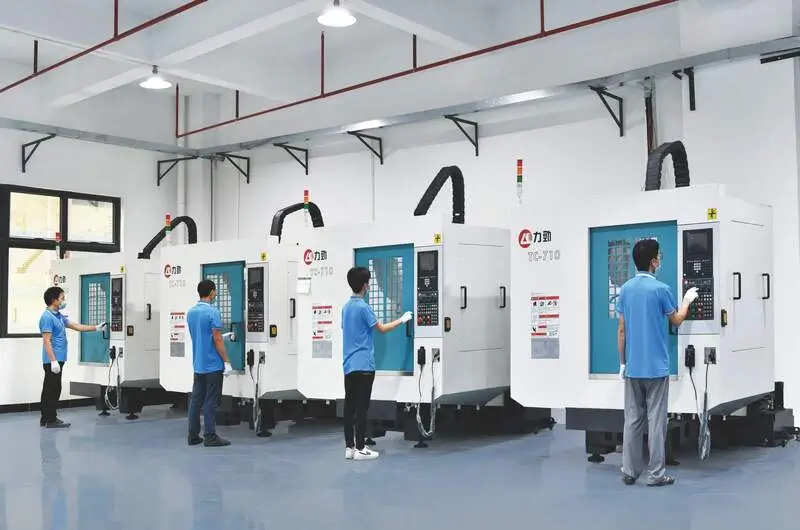
CNC Precision Machining

CNC Secondary Machining

Precision machining improves critical features including holes, threads, and mounting surfaces to achieve required tolerances and assembly accuracy.
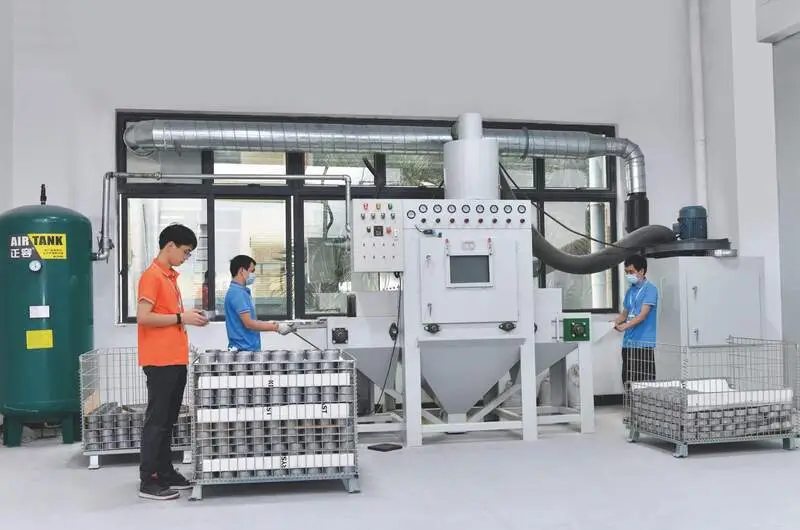
Sand ejector

Surface Finishing

Surface treatments such as anodizing, coating, blasting, and plating enhance appearance, corrosion resistance, and functional performance.
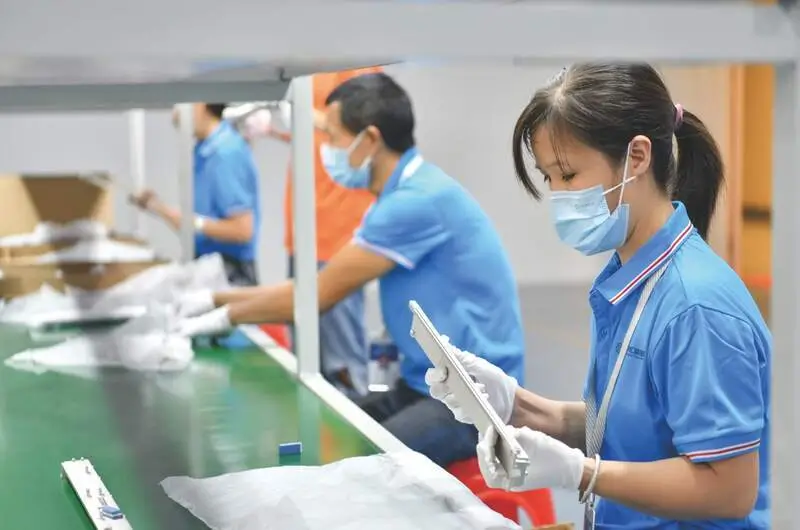
Assembly Services - webp

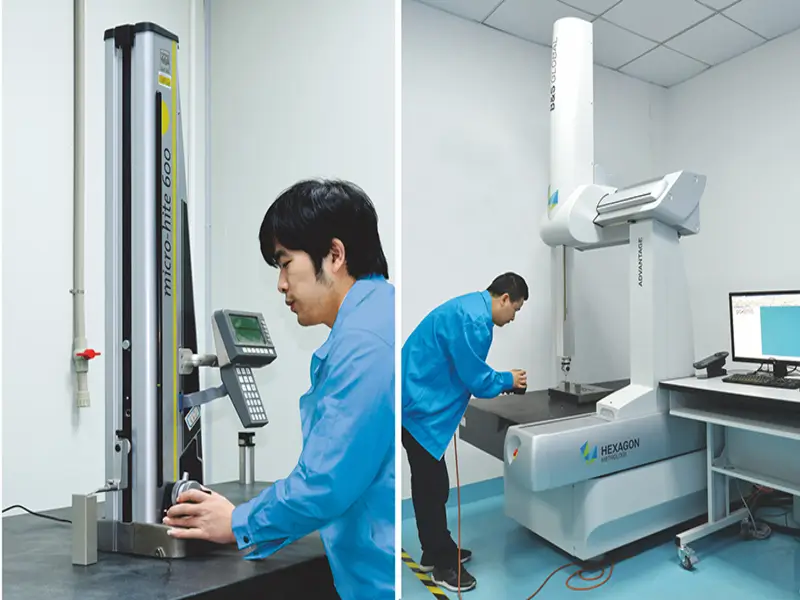
Quality Inspection

Finished components are inspected for dimensions, defects, and specifications to verify quality consistency and OEM requirements.
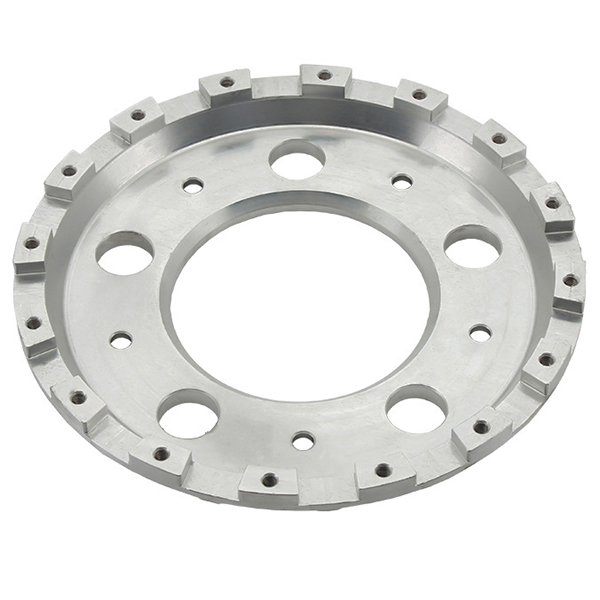
Aluminum Die Casting Tolerances

ZH Precision supports precision aluminum die casting with casting tolerances according to ISO 8062-3 and machined feature tolerances following ISO 2768-m. Additional inspection methods are available for projects requiring specific dimensional and quality verification.

CapabilitySpecification
Maximum Part Weight25 kg
Minimum Part Weight5 g
Maximum Part Size500 mm × 800 mm
Minimum Part Size15 mm × 15 mm × 3 mm
Minimum Wall Thickness0.8 mm
Maximum Wall Thickness15 mm

Ready to develop your custom die casting parts?

Share your drawings, target specifications and order volume. Our engineering team will review your project and provide tailored solutions promptly.

Aluminum Die Casting Materials

We enforce rigid controls over aluminum alloy composition, batch uniformity and full material traceability for consistent casting performance. All selected aluminum alloys come complete with MTC material test certificates and inspection records to validate chemical makeup and mechanical properties.

A380 Aluminum Alloy

A380 is one of the most widely used aluminum die casting alloys due to its excellent combination of castability, strength, corrosion resistance, and dimensional stability. It is commonly used for housings, brackets, covers, and industrial components.

PropertyTypical Range
Density2.71 g/cm³
Tensile Strength310–330 MPa
Yield Strength150–170 MPa
Elongation2–4%
Thermal Conductivity95–100 W/m·K

ADC12 Aluminum Alloy

ADC12 is a widely used aluminum die casting alloy in Asian manufacturing markets. It offers excellent fluidity, good dimensional accuracy, and balanced mechanical properties, making it suitable for complex castings with stable production requirements.

PropertyTypical Range
Density2.74 g/cm³
Tensile Strength300–330 MPa
Yield Strength140–170 MPa
Elongation1–3%
Thermal Conductivity90–100 W/m·K

A383 Aluminum Alloy

A383 is designed for high-pressure die casting applications requiring improved filling capability and complex geometries. It provides better castability than A380 for thin-wall sections while maintaining reliable strength and dimensional stability.

PropertyTypical Range
Density2.74 g/cm³
Tensile Strength310–330 MPa
Yield Strength150–170 MPa
Elongation2–4%
Thermal Conductivity90–100 W/m·K

A360 Aluminum Alloy

A360 provides excellent corrosion resistance, pressure tightness, and improved ductility compared with many conventional die casting alloys. It is suitable for components requiring sealing performance and reliable mechanical properties.

PropertyTypical Range
Density2.63 g/cm³
Tensile Strength315–330 MPa
Yield Strength130–150 MPa
Elongation8–10%
Thermal Conductivity110–115 W/m·K

AlSi9Cu3 Aluminum Alloy

AlSi9Cu3 is one of the most commonly used European aluminum die casting alloys. It provides good castability, wear resistance, and balanced mechanical performance for automotive and industrial applications.

PropertyTypical Range
Density2.70–2.75 g/cm³
Tensile Strength280–320 MPa
Yield Strength140–170 MPa
Elongation1–3%
Thermal Conductivity100–110 W/m·K

Surface Finishing for Aluminum Die Casting Parts

A complete lineup of surface finishing solutions is provided for aluminum die castings, including anodizing, powder coating, sandblasting and chromate coating. Each surface treatment optimizes part corrosion protection, mechanical performance and outward finish for mass-produced precision cast components.

AS machined-Image

As Cast

The natural surface finish after die casting provides a cost-effective option for parts where additional surface treatment is not required.
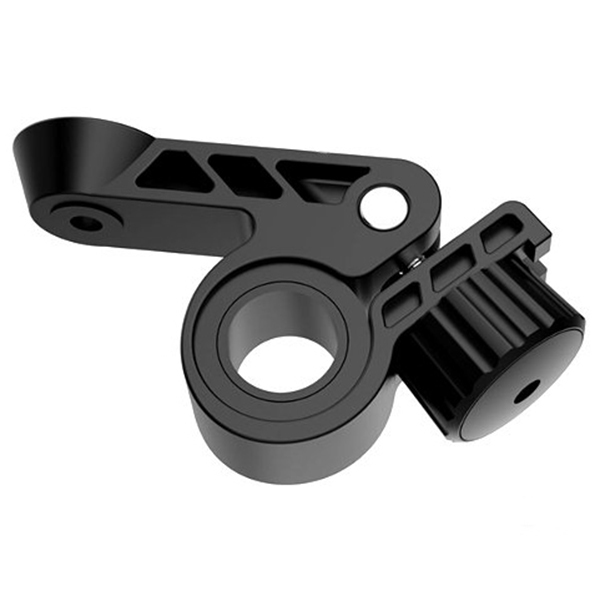
Anodizing-Image

Anodizing

Anodizing creates a protective oxide layer on aluminum surfaces, improving corrosion resistance, wear resistance, and appearance with various color options.
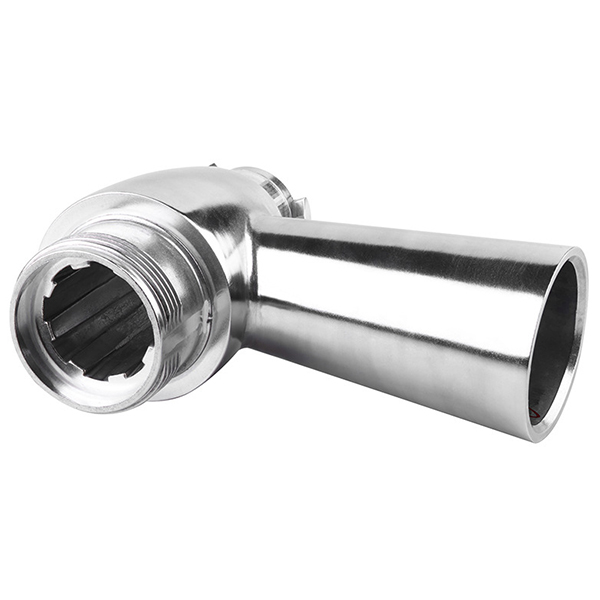
Polishing-Image

Polishing

Polishing removes surface imperfections and creates a smooth, reflective finish for aluminum die casting parts requiring enhanced visual appearance.
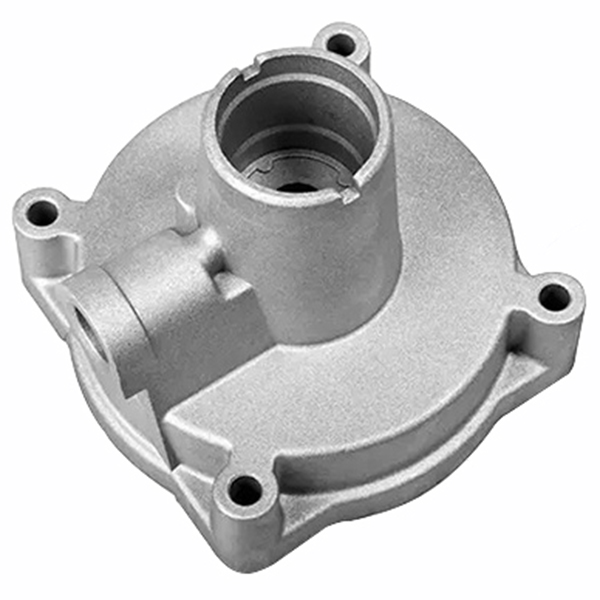
Sand Blasting-Image

Sand Blasting

Sand blasting produces a uniform matte texture while removing surface marks and improving surface consistency before further finishing processes.
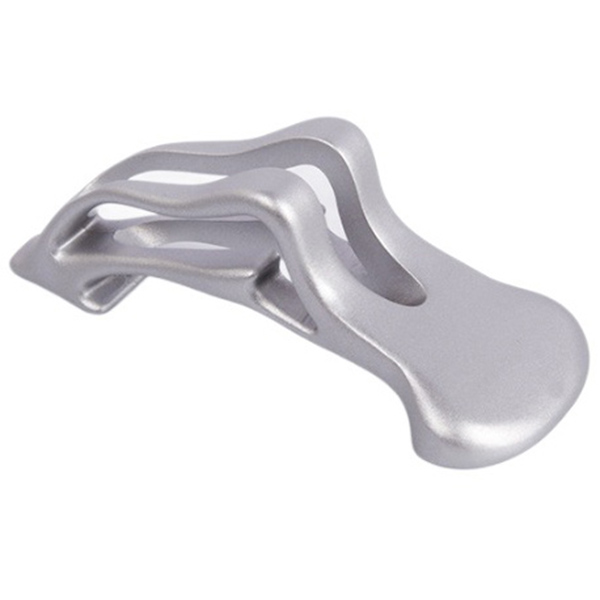
Tumbling-Image

Tumbling

Tumbling improves edge conditions by removing sharp edges, burrs, and minor surface imperfections while creating a consistent surface appearance.
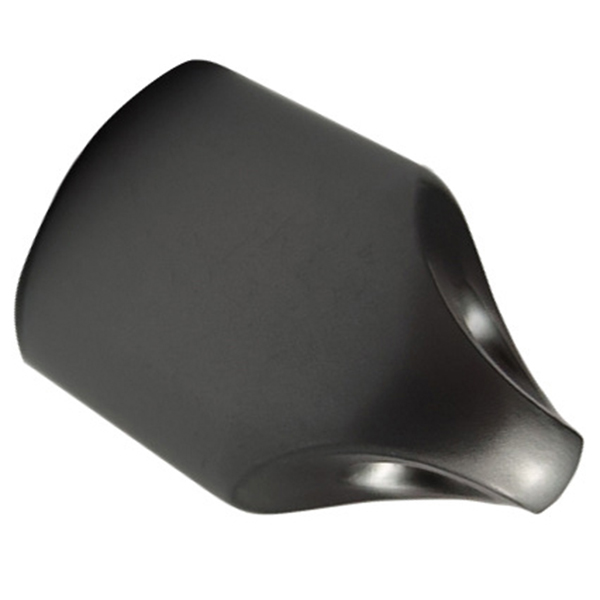
Electropolish-Image

Electropolishing

Electropolishing smooths the metal surface through an electrochemical process, improving cleanliness, corrosion resistance, and surface quality.
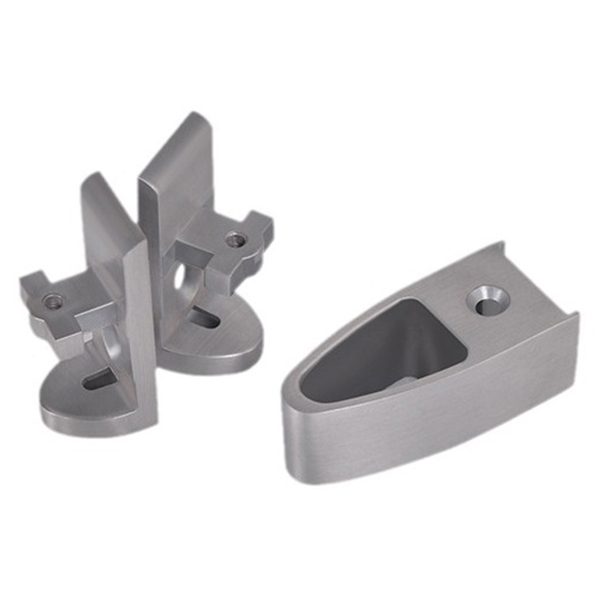
passivation-Image

Alodine

Alodine treatment provides a protective chemical conversion coating that improves corrosion resistance and enhances paint or coating adhesion.
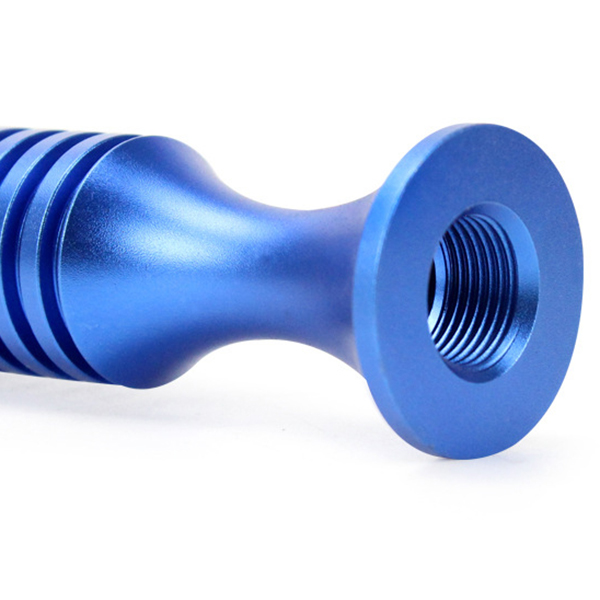
Electroplating-Image

Electroplating

Electroplating applies a metal coating to aluminum surfaces to improve corrosion resistance, wear performance, conductivity, or decorative appearance.
Applications of Aluminum Castings

From automotive components to industrial equipment and electronic housings, aluminum castings provide lightweight, durable, and precision-engineered solutions for demanding applications across multiple industries.

Automobile Parts

Automotive Industry

Aluminum die castings are widely used in automotive applications, including motor housings, transmission cases, brackets, and structural components requiring lightweight design and reliable performance.
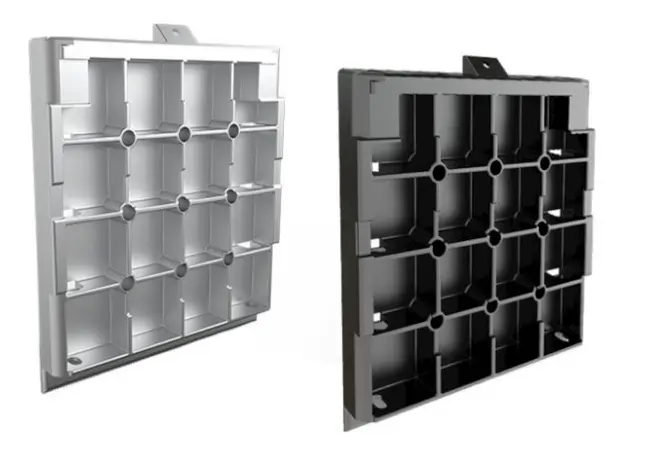
Electric Vehicle Battery Housing.webp

New Energy Industry

New energy equipment relies on aluminum castings for battery housings, motor enclosures, inverter cases, and structural parts requiring strength and efficient thermal management.
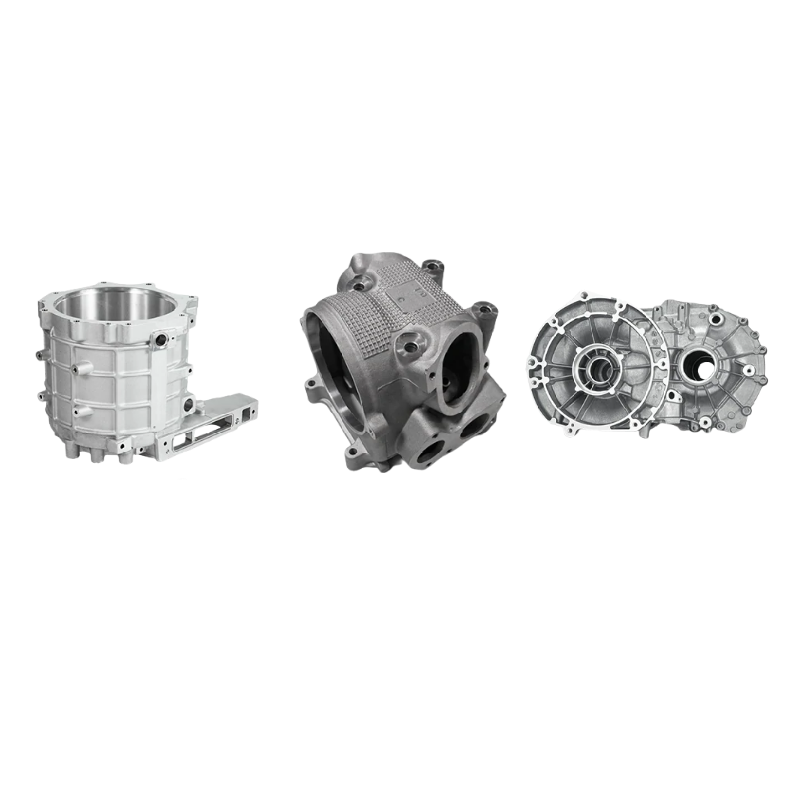
Industrial Equipment parts

Industrial Equipment

Industrial machinery uses aluminum castings for equipment housings, frames, pump bodies, and functional components requiring dimensional stability and long-term durability.
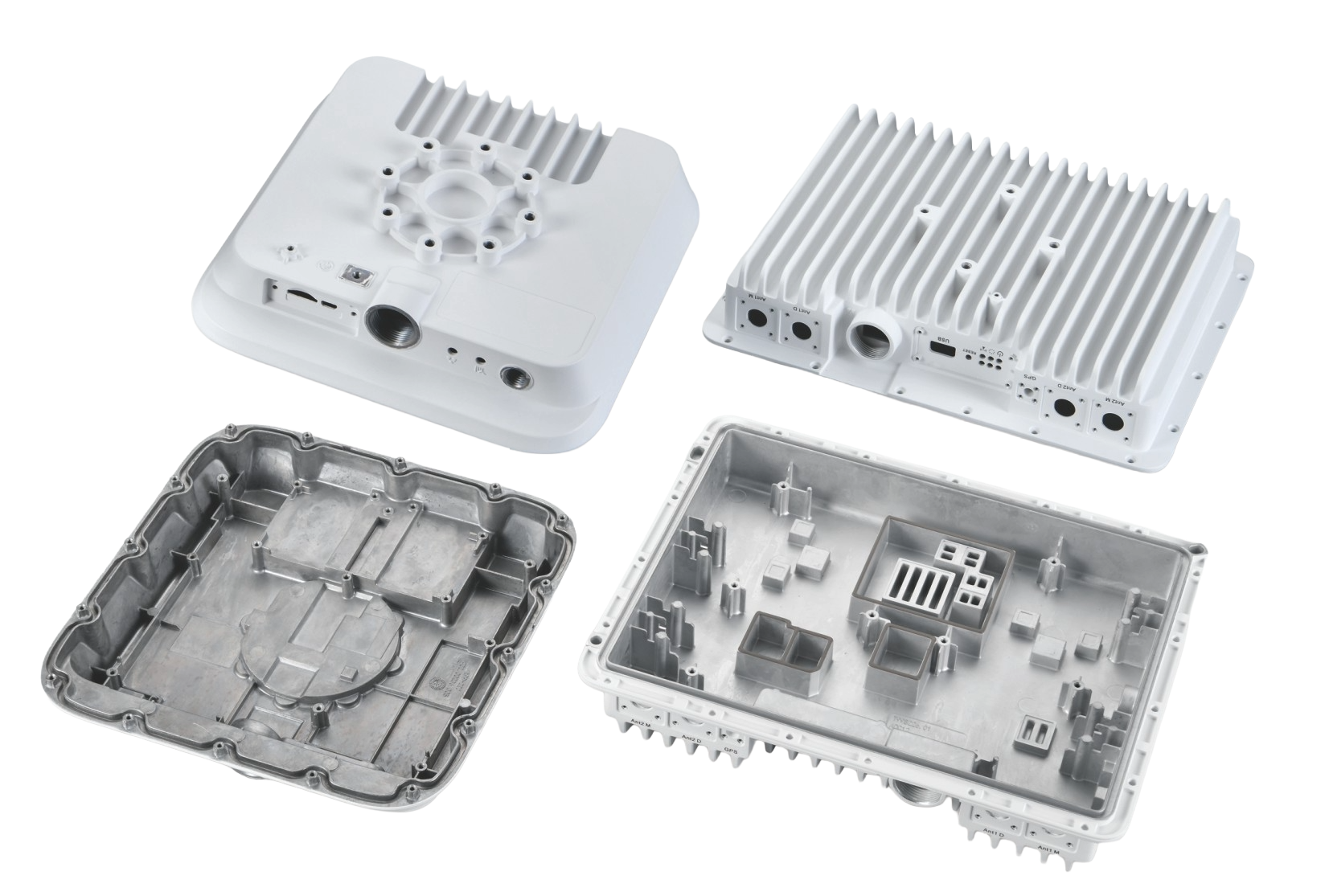
Custom 5G Die-Cast Enclosure Components

Communication Industry

Aluminum castings are used for communication equipment housings, base station enclosures, heat sinks, and structural components requiring lightweight design, thermal management, and outdoor durability.
Custom Die Casting Services - Enclosure Components

Hydraulic Industry

Hydraulic systems apply aluminum castings for valve bodies, pump housings, manifolds, and fluid control components requiring pressure resistance and precision dimensions.

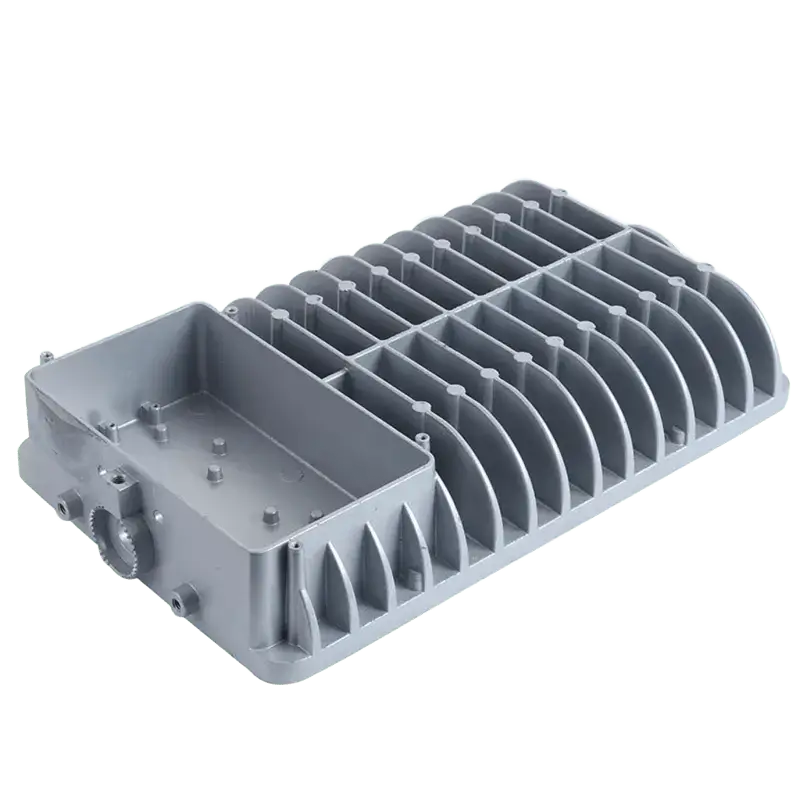
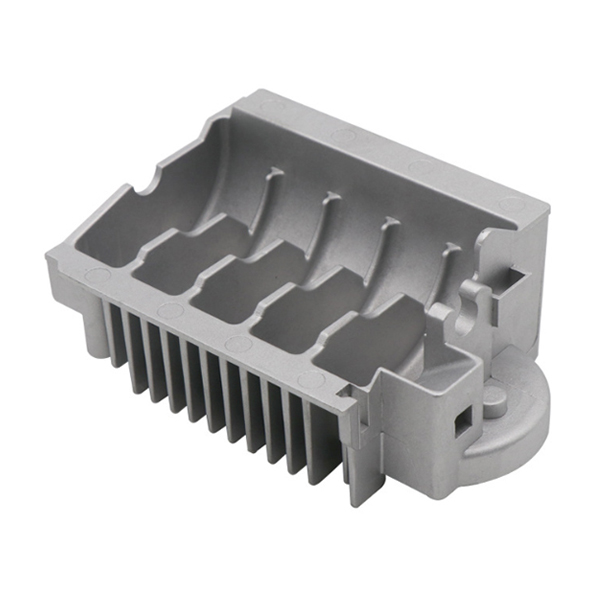
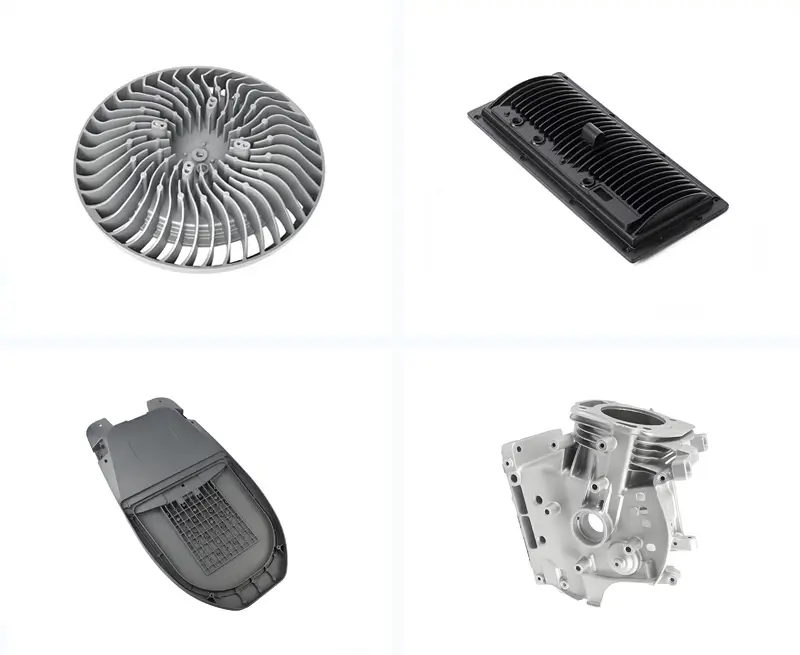
LED and Lighting Housings

Lighting Industry

LED lighting systems use aluminum castings for lamp housings, heat sinks, and mounting components requiring thermal performance, weather resistance, and outdoor durability.
Quality Control for Aluminum Die Casting Parts

Aluminum die casting production is managed through strict quality control procedures to ensure dimensional accuracy, structural integrity, and consistent part performance. Common casting defects such as cracks, cold shuts, shrinkage, and flash are controlled through optimized casting parameters and inspection processes. Radiographic inspection can be performed according to ASTM E505 when required to evaluate internal casting quality.

Critical features such as threaded holes, blind holes, and sealing surfaces are carefully monitored during production to maintain functional reliability. Standard inspection procedures, including visual inspection, dimensional verification, and defect recording, help ensure stable quality and consistency across production batches for industrial applications.

What is Aluminum Die Casting?

Aluminum die casting is a high-pressure metal casting process that uses molten aluminum alloy injected into a steel mold under high pressure. The molten metal fills the mold cavity, cools, and solidifies into a precise aluminum component with the required shape and dimensions.

This process uses reusable dies to produce lightweight aluminum parts with complex geometries, thin walls, and consistent dimensional accuracy. Compared with traditional casting methods, aluminum die casting offers faster production cycles, excellent repeatability, and efficient manufacturing for large-volume metal components.

Advantages of Aluminum Die Casting

High Production Efficiency: Aluminum die casting uses reusable steel dies and rapid forming cycles to achieve efficient production of large quantities of components with consistent quality.

Complex Geometries: The process enables the production of thin-wall structures, detailed features, and complex shapes that are difficult to achieve with conventional manufacturing methods.

Excellent Dimensional Accuracy: Precision die design and controlled filling processes help maintain stable dimensions, repeatability, and consistent part quality across production batches.

Lightweight Design: Aluminum alloys provide a high strength-to-weight ratio, allowing lightweight components while maintaining structural performance.

Material Efficiency: Near-net-shape forming reduces material waste and minimizes secondary machining requirements compared with traditional manufacturing methods.

When to Use Aluminum Die Casting?

High-Volume Production: Aluminum die casting is suitable for projects requiring large production quantities, where reusable tooling helps achieve stable quality and lower unit costs.

Complex Part Designs: It is an ideal choice for components with thin walls, complex geometries, integrated features, and designs that are difficult to manufacture through traditional methods.

Lightweight Requirements: Aluminum die casting is preferred when weight reduction, structural strength, and good thermal performance are important design considerations.

Long-Term Production Programs: It is a practical solution for products requiring consistent supply, repeatable quality, and economical manufacturing over extended production cycles.

Reduced Secondary Operations: Aluminum die casting works well for near-net-shape components that require minimal machining after casting to achieve final specifications.

Frequently Asked Questions

To provide an accurate quotation, customers should provide 3D CAD files, technical drawings, required quantities, surface finish requirements, and critical specifications. These details help evaluate tooling requirements, production feasibility, and overall project cost.

Yes. Aluminum die casting typically requires custom molds designed according to part geometry and production requirements. Proper tooling design helps ensure stable production, consistent part quality, and longer mold service life.

Aluminum die casting is ideal for medium to high-volume production where tooling investment can be distributed across larger quantities. The process provides efficient cycle times and consistent quality for long-term manufacturing programs.

Yes. Aluminum die casting can achieve consistent dimensional accuracy for many features, while critical areas such as precision holes, threads, and mounting surfaces can be further processed through CNC machining to meet tighter tolerance requirements.

Quality is controlled through casting process monitoring, dimensional inspection, and defect verification. Inspection methods such as CMM measurement, visual inspection, and X-ray testing can be applied to ensure part reliability and consistency.

Scroll to Top

Quick Quote Within 2 Hours

Upload your CAD files and project details. Our engineers will review your requirements and provide a professional quote within 6 hours.

*If you have any design files that need to be sent, please email them to [email protected]